Working Abroad
Digital nomad visas: who qualifies and what to check before applying
What a digital nomad visa allows, how income and job rules work, how Spain, Portugal, Croatia, Japan and Thailand compare, and what to check before you pay a fee.
5 min read · Updated 4 November 2026 · By the Remotavia team
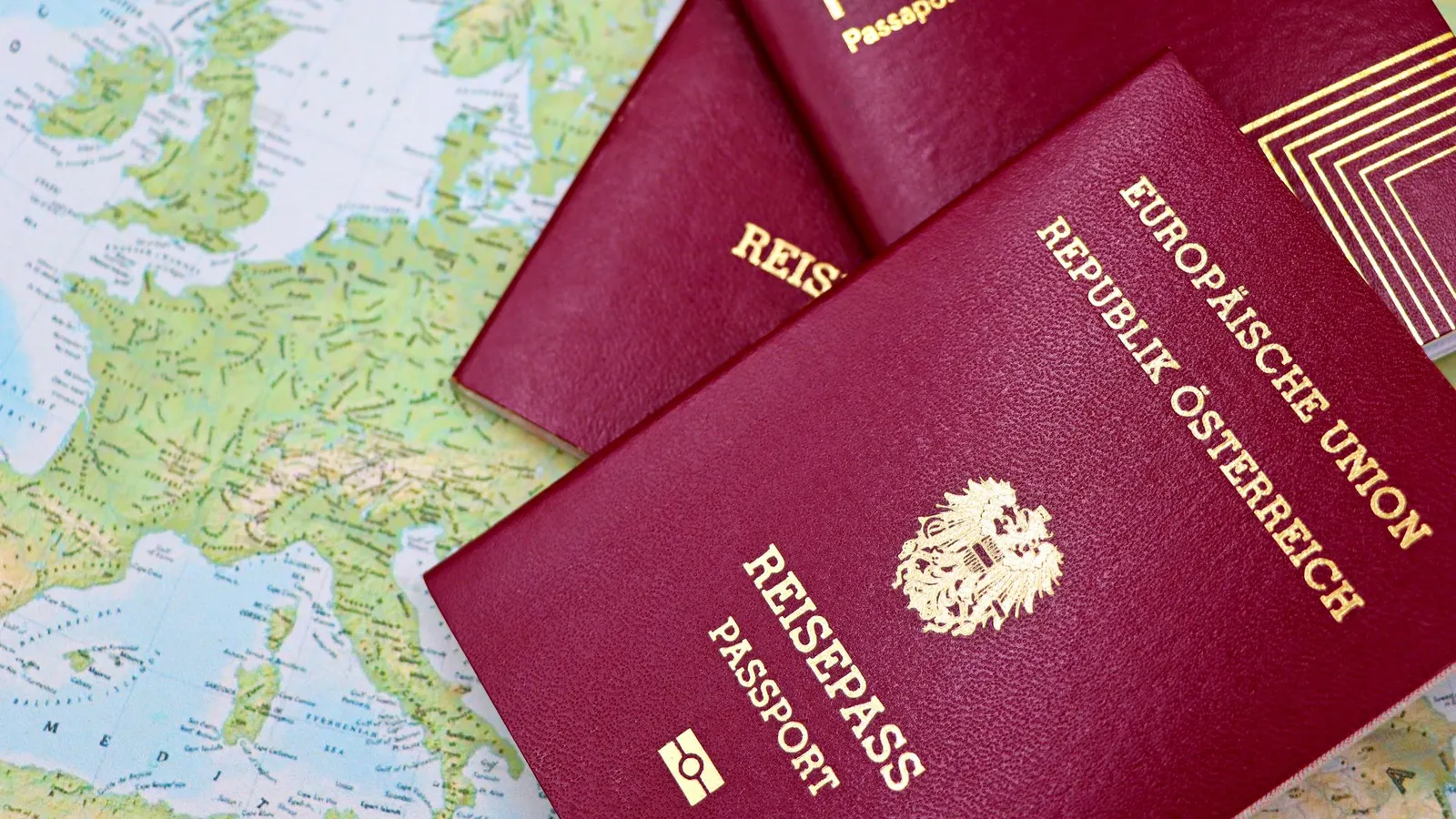
A digital nomad visa lets you live in a country for a set period while you work for clients or an employer based somewhere else. It does not give you a job there, and it usually does not let you work mainly for local companies. Most programmes come down to three questions: how much you earn, who pays you, and whether your work can be done from anywhere.
This is general information, not legal advice. Rules and income figures change, often every year, so treat the numbers here as a starting point and confirm them with the consulate that will handle your application.
What a digital nomad visa is, and what it is not
- It is permission to stay in a country while earning from abroad. Names vary: Spain calls it international telework, Portugal’s route is known as the D8, and Japan lists it as a designated activity.
- It is not visa sponsorship. A sponsored work visa is tied to an employer in that country. With a nomad visa, you normally apply yourself and your employer stays abroad.
- It is not a tax exemption. A visa decides whether you may stay. Tax residence is decided separately, and a long stay can make you a tax resident even when your income comes from abroad.
- It is not always a route to permanent residence. Some programmes can be renewed and lead towards long-term status. Others end after a fixed period: Japan’s lasts up to six months and cannot simply be renewed.
What most programmes ask for
Exact lists differ, but you should expect to be asked for most of the following:
- Proof of income, usually recent bank statements, payslips or invoices over the last three to six months. A signed offer alone may not be enough.
- Proof of the work itself: an employment contract, or client contracts if you are self-employed.
- Written permission from your employer to work from that country. Spain, for example, asks employees for a company letter.
- Health insurance that is valid in that country and meets its minimum cover. Travel insurance may not qualify.
- A clean criminal record certificate, often recent and sometimes translated and legalised.
- A valid passport and, in some countries, proof of where you will live.
- Proof of skills in some programmes. Spain’s route asks for a degree or at least three years of relevant experience.

How five programmes compare
These figures come from embassy, consulate and government sources as of November 2026. Consulates of one country can differ, so check with the one that will handle your application. Our digital nomad visa comparison covers more countries and shows live jobs for each.
- Spain: about €2,442 a month, which is 200% of the €1,221 monthly minimum wage. Each family member adds to this: 75% of the wage for the first and 25% for each other. Some guides quote about €2,849 because they spread the 14 yearly wage payments over 12 months, so ask your consulate which figure it applies.
- Portugal (D8): four times the minimum wage, averaged over your last three months of income. With the 2026 wage of €920, that is about €3,680 a month. Consulates may ask for additional documents.
- Croatia: €3,622.50 a month, or €43,470 in your account for a 12-month stay and €65,205 for 18 months. Each additional family member adds 10% of the average monthly net salary. Stays run up to 18 months, and you may not work for employers in Croatia.
- Japan: annual income of ¥10 million or more, with insurance covering at least ¥10 million in medical costs. The stay is six months with no extension, and only nationals of listed countries and regions qualify.
- Thailand (Destination Thailand Visa): at least 500,000 baht in financial assets rather than an income test. The visa is valid for five years, with up to 180 days per entry. Document rules changed on 31 August 2026, so read the checklist of the embassy handling your application.
Income tests: read the small print
A salary that looks high enough can still fail. Before relying on a figure, check these points:
- Gross or net. Guides for some countries describe the test differently, and official sources can conflict. Estonia is an example: official pages we found give €3,960 or €4,500 a month, and describe the higher figure as both gross and net, so we have left it out of the comparison until it can be confirmed.
- Currency. A dollar salary converted at a good rate today may fall short after a change in the exchange rate. Leave a margin rather than aiming for the exact minimum.
- History. Many consulates want to see the income already arriving. A new job that started last month may not satisfy a three-month or six-month record.
- Family. If a partner or children are coming, the threshold usually rises.
- Thresholds that move. Where the figure is linked to a minimum wage, it can rise when the wage does, including after you start preparing your documents.
Employee or contractor: which route fits your job
How you are paid can matter as much as how much you earn. Employees generally need written permission and a contract showing the role can be done remotely. Contractors generally need client contracts and evidence that the work is real and continuing. Some programmes also look at the company: Spain expects it to have been active for at least a year.
If you are still job hunting, look at the employment type on each listing and ask the recruiter a direct question: “Would you provide a letter confirming I may work from Portugal under my contract?” A job open to your current country is not automatically approved for another one. Our guide to worldwide and country-restricted remote jobs explains how to read those limits.
Six checks before you pay a fee
- Confirm the current income figure and whether it is gross or net with the consulate or immigration office that will process your application.
- Ask whether you must apply from your home country or can apply after arriving. Rules on this differ, and some routes must start abroad.
- Ask your employer or clients for written permission first. It is the document most likely to stop the whole plan, and it costs nothing to find out.
- Get one hour of tax advice for both countries. Ask when you would become a tax resident there and what happens to your tax status at home.
- Check that your insurance meets the specific minimums and covers the whole stay.
- Allow time for certificates. Criminal record checks, translations and legalisation can take weeks, and some documents expire quickly.
Avoiding visa scams and bad advice
Many visa pages are written by firms selling the application, so they can make it sound simpler than it is. Be wary of anyone who promises approval or asks you to pay through a personal account. Only pay fees through a channel the consulate or a registered adviser can confirm. If you hire a lawyer, check their registration with the local bar or regulator.
Official sources to start from
These pages were reachable when we updated this guide. Links can change, so also check the website of your nearest consulate.
Put it into practice